Case Study
Oracle Digital Assistant (ODA)
Introduction
ODA is Oracle's enterprise platform used to build AI chatbots. It is deployed by massive companies to handle high-volume interactions across the entire business - from automating customer service to checking warehouse inventory for logistics firms or processing complex expense reports. It was designed to scale across any logic a business needed to automate without making everyone involved want to pull their hair out.


The Challenge
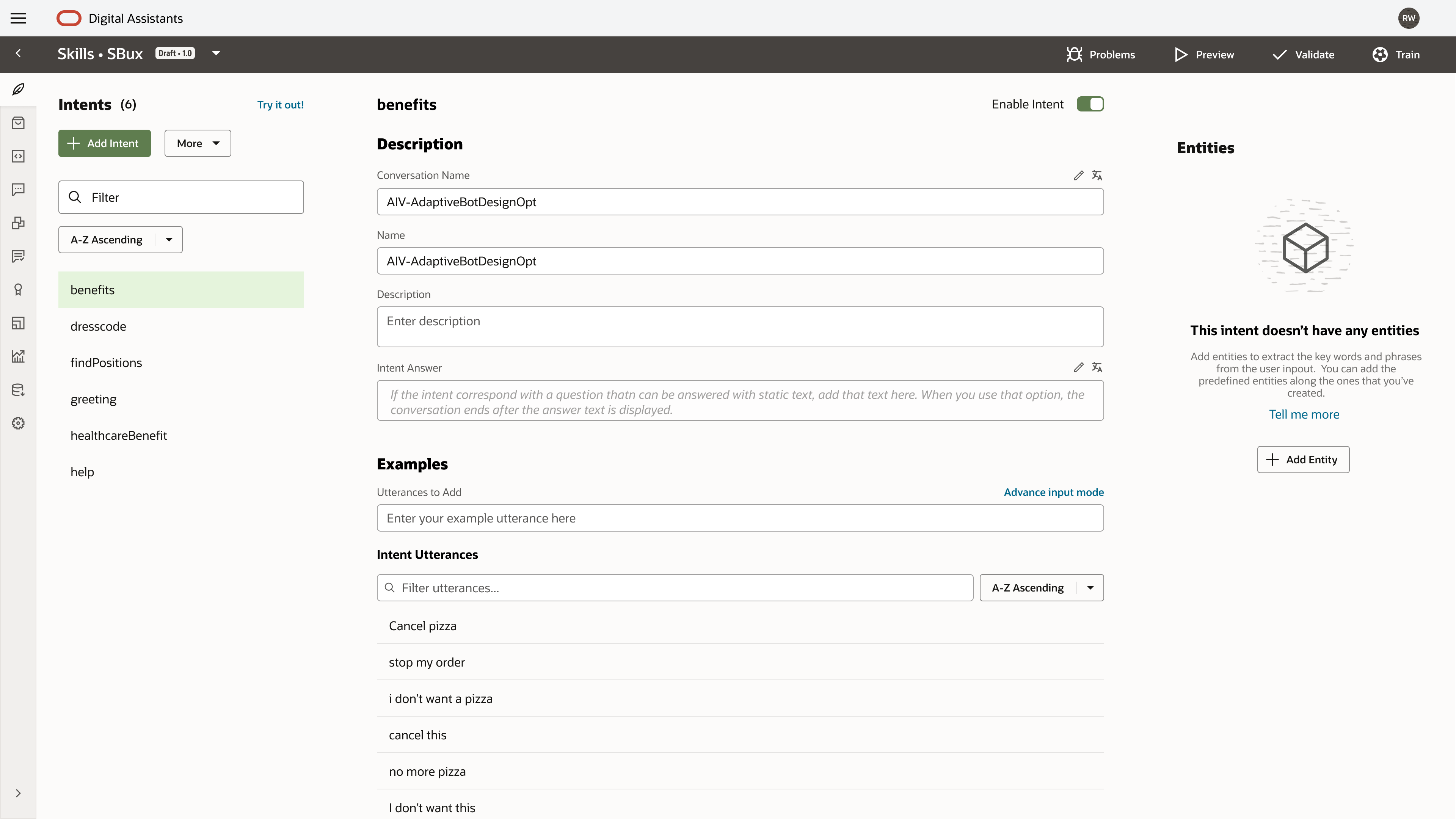
For a long time, Oracle's chatbot platform was a powerful tool trapped inside a YAML editor that only an engineer could love. We had to make it usable for everyone - from a librarian at a university to a logistics manager - without stripping away the power that made it useful in the first place.
My Role
I was the "day one" designer on this, staying with the product as it evolved from a raw tool into the official Digital Assistant. When a layoff left me as the solo designer for a stretch, I became the bridge between the original engineering team and the new design leadership. I owned the UX vision, the node system, and the interaction patterns we used for research.
Design Process
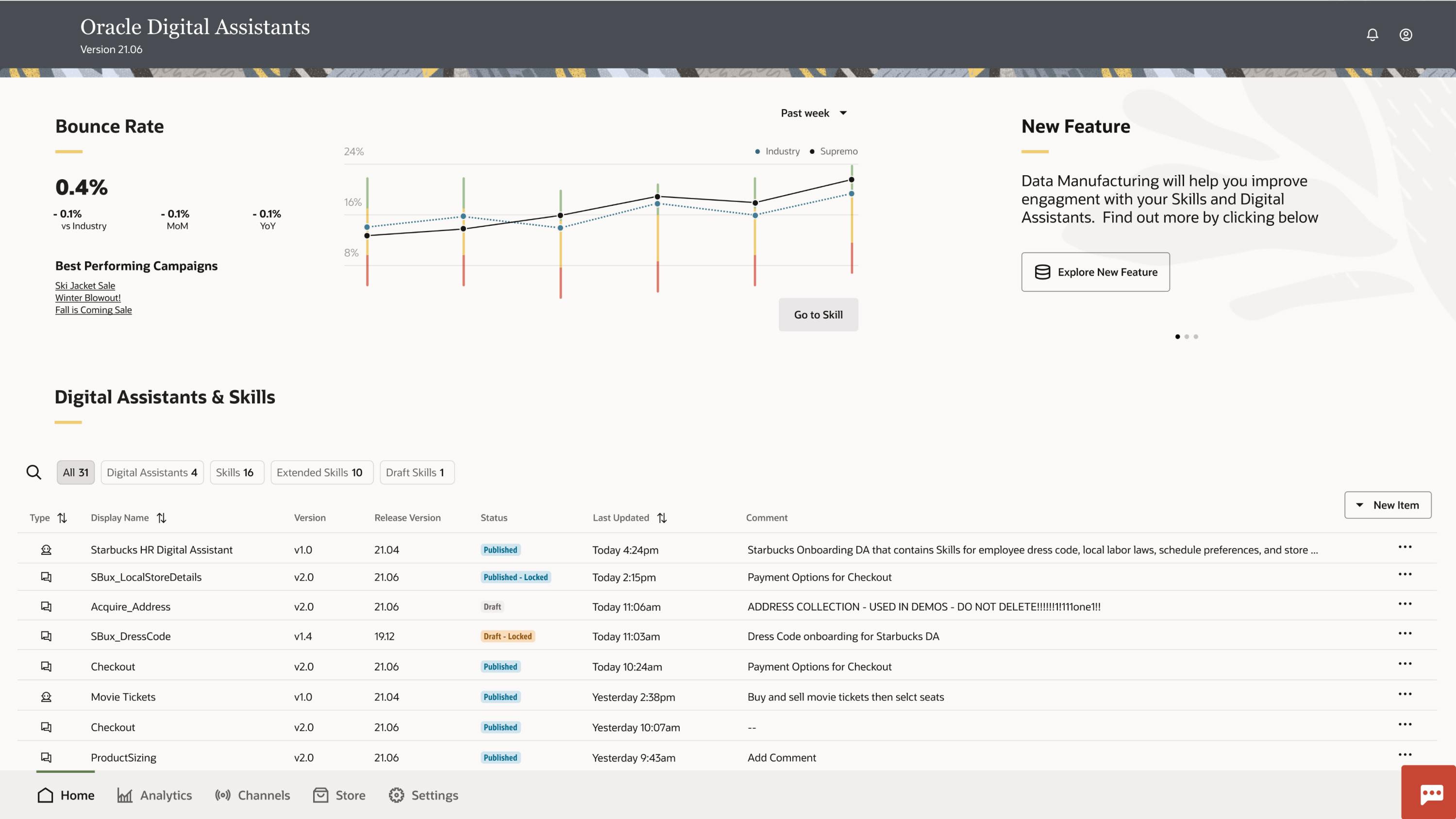
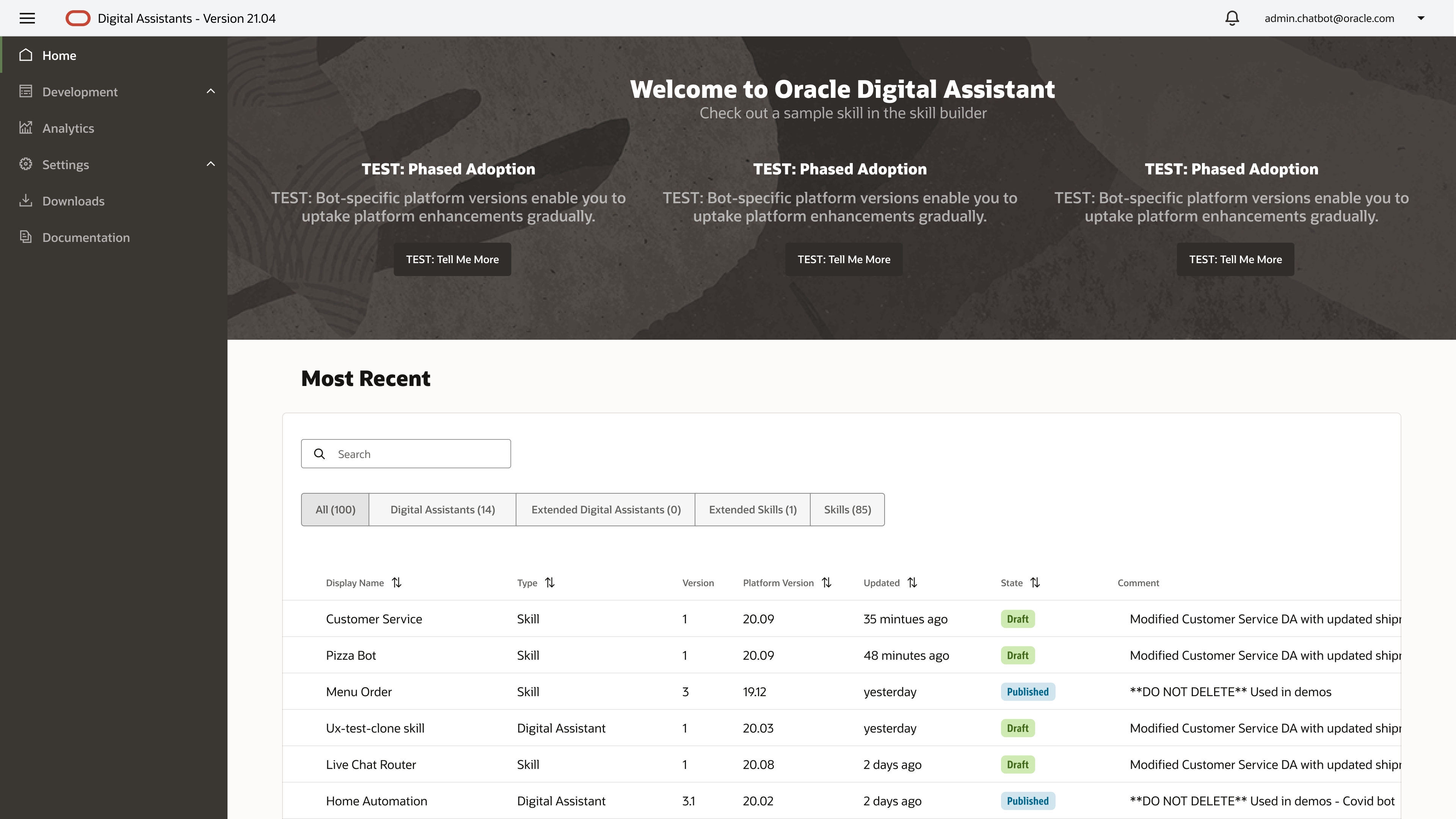
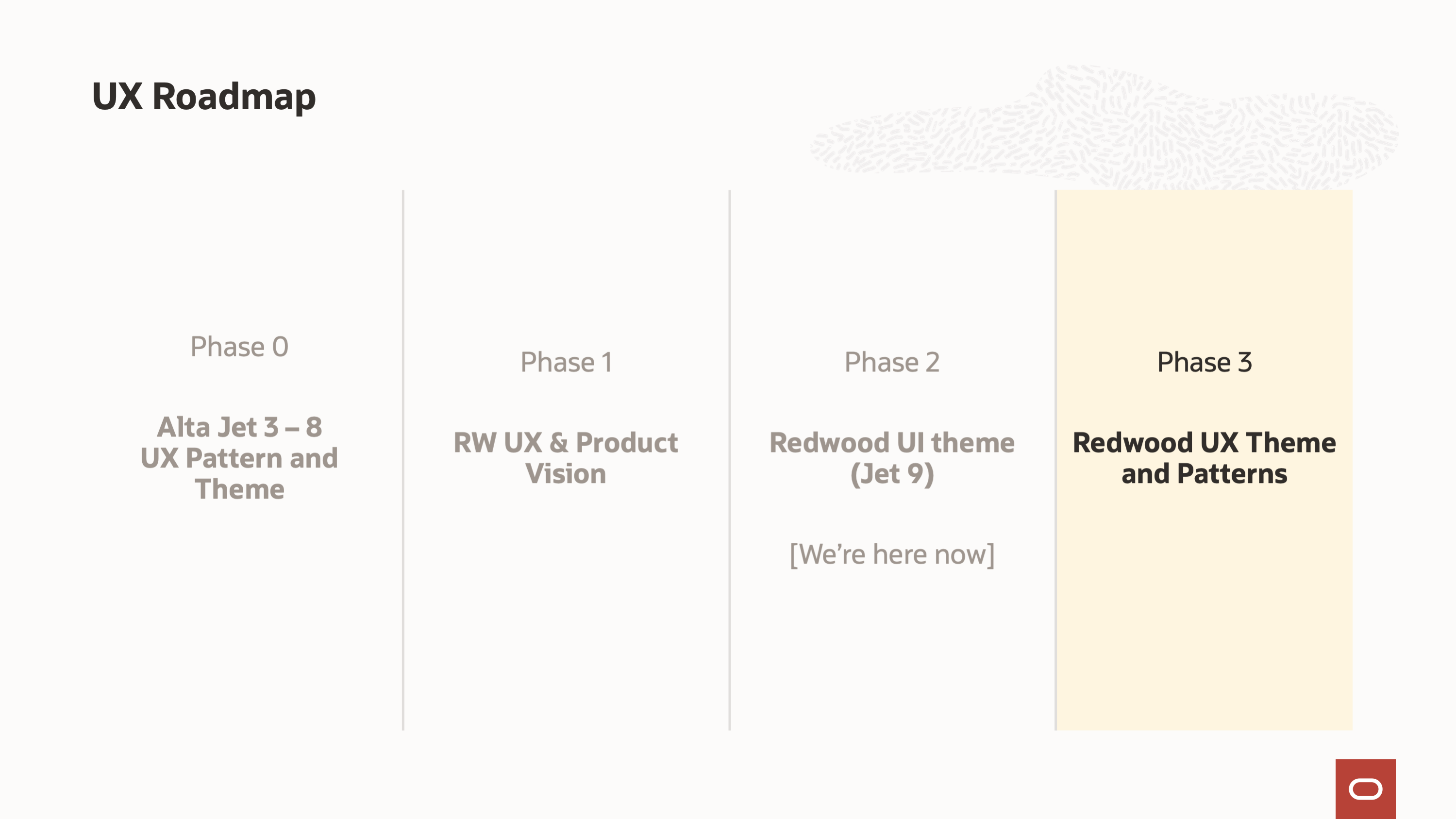
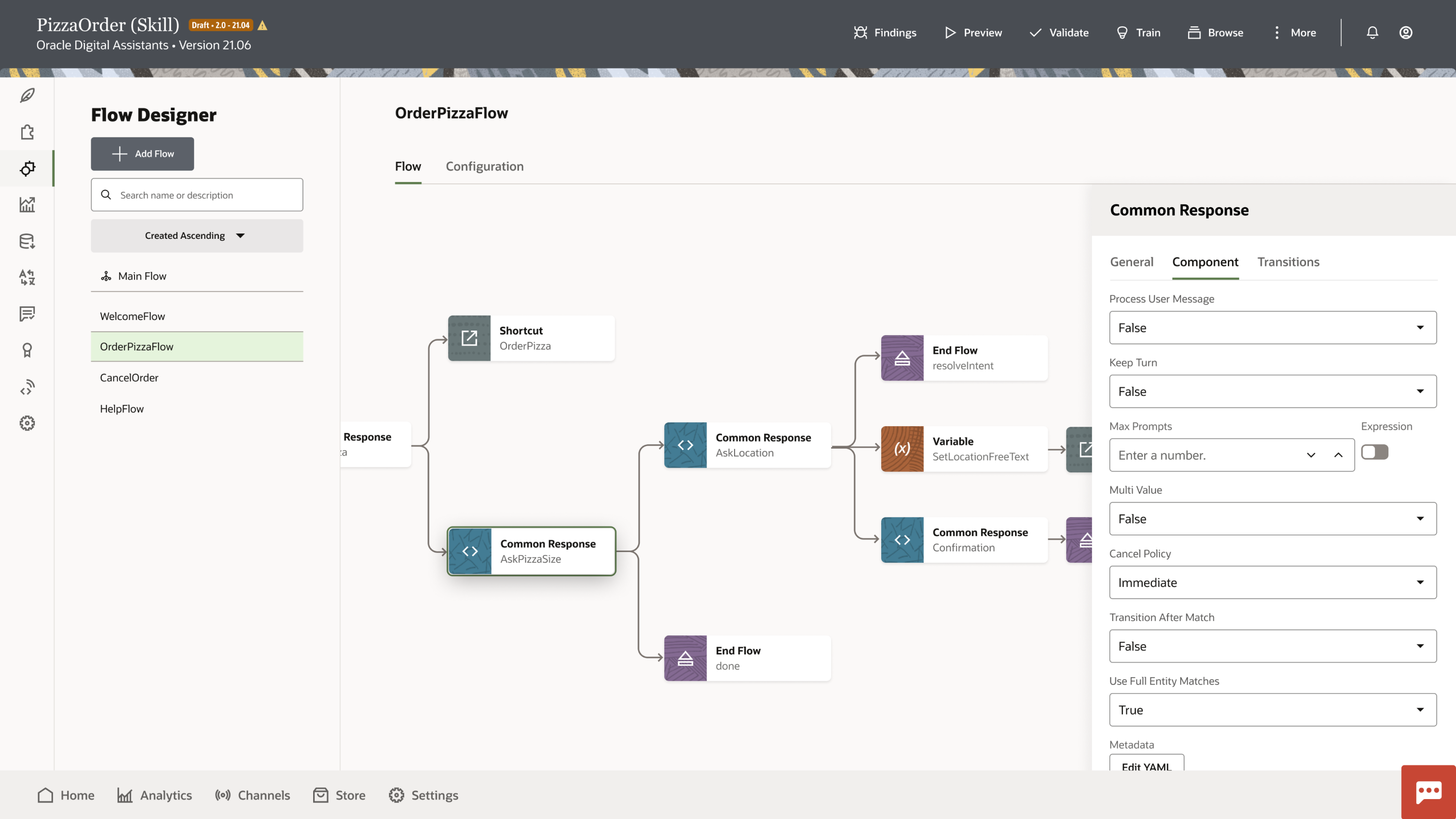
Managing ODA felt like living in three time zones at once. We had to support three different design languages (Alta, One-PaaS, and Redwood) simultaneously to keep legacy and future customers happy. It started as a script-based interface and slowly became a full visual editor. I spent a lot of time building a shared Sketch library that could scale across all those languages, which eventually landed me a spot on the cross-org team that evaluated moving the whole company to Figma and eventually seeding Oracle's design system with ODA leading Oracle's developer tools.
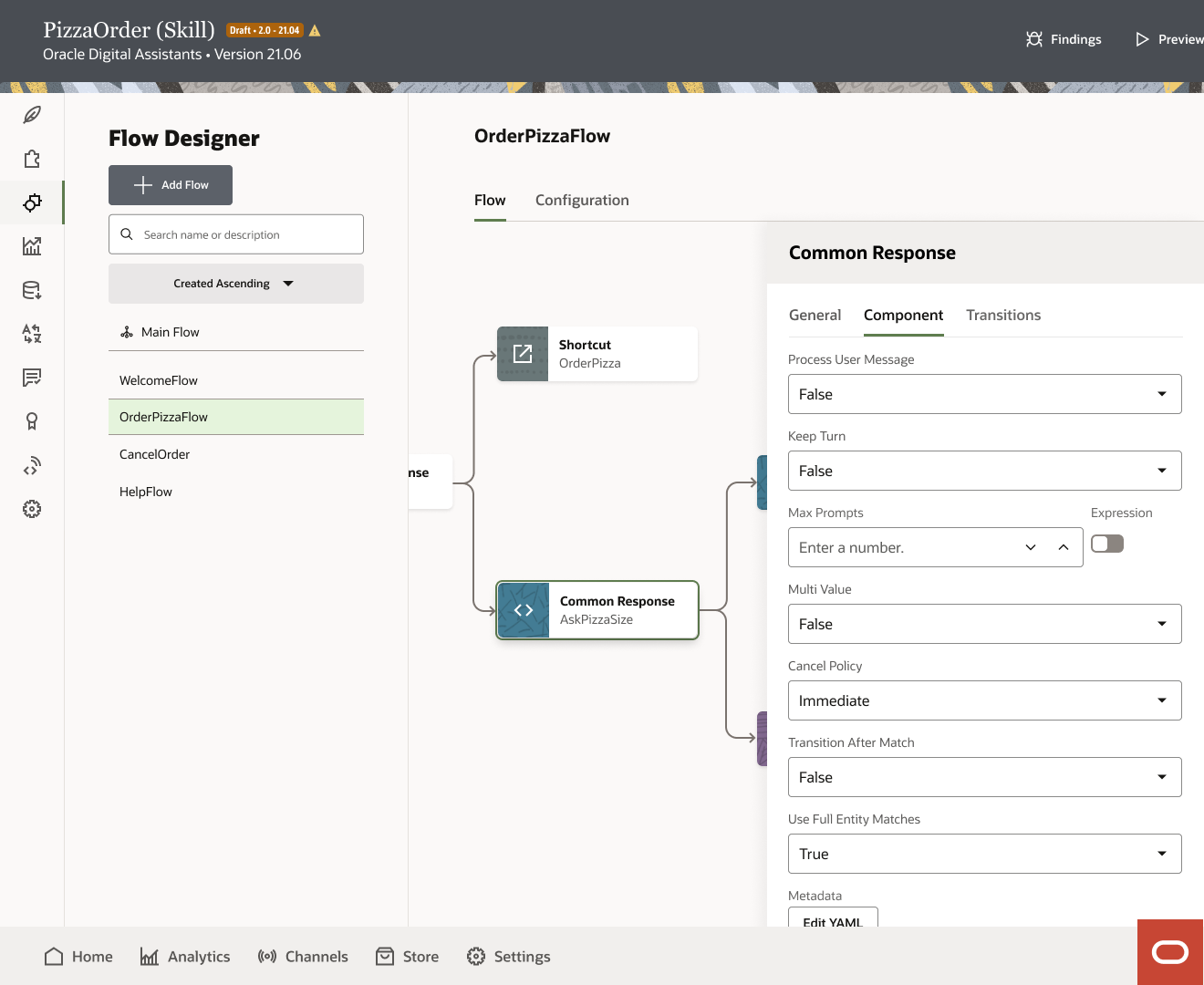
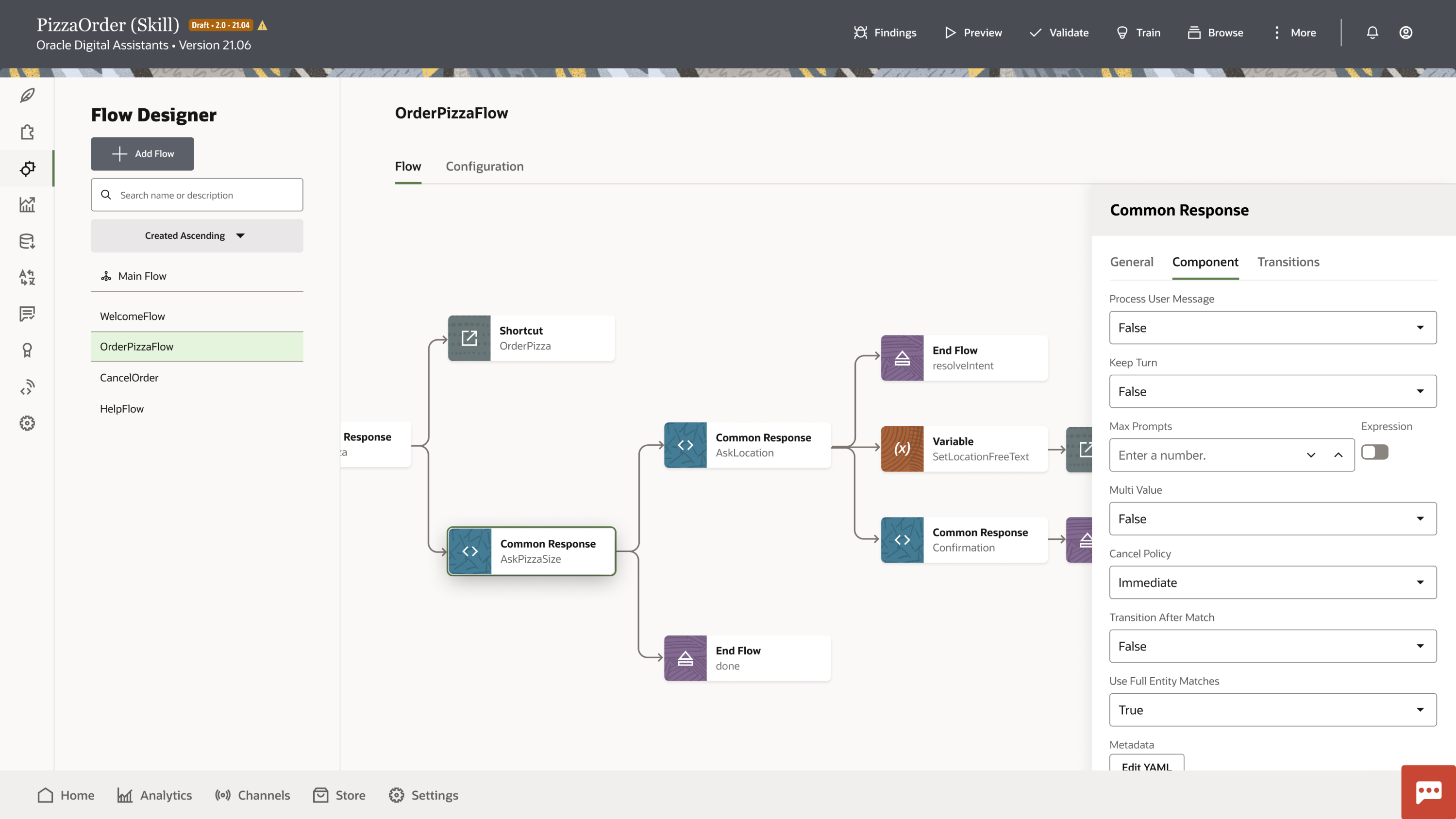
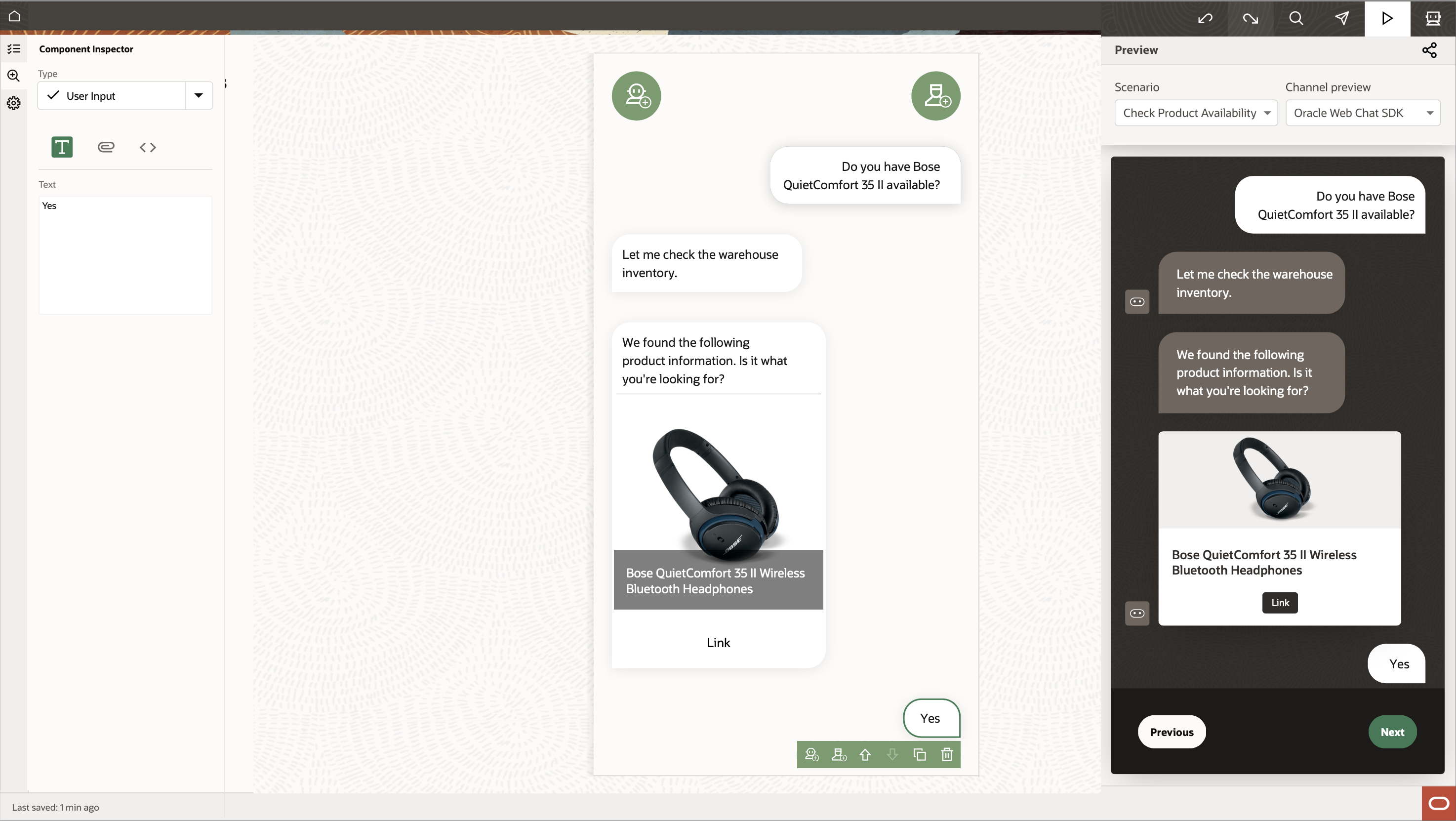
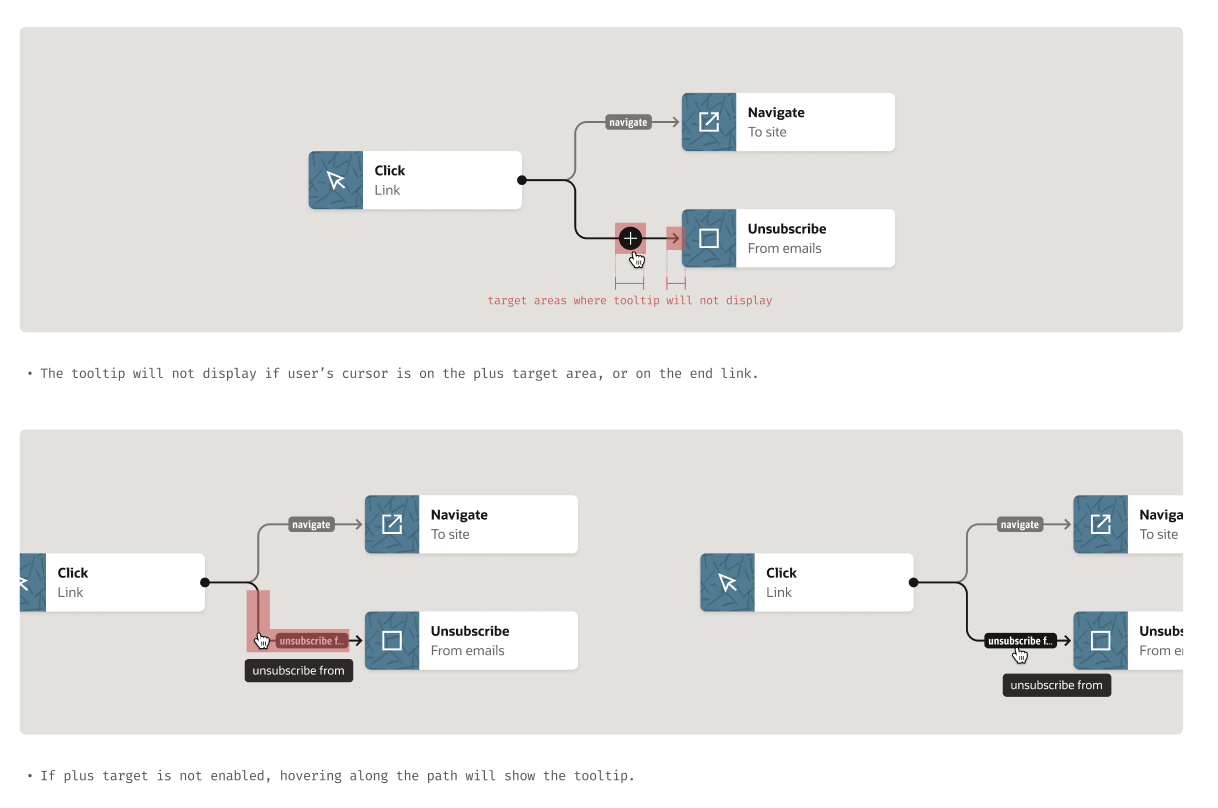
Editing nodes in ODA
Effects & Results
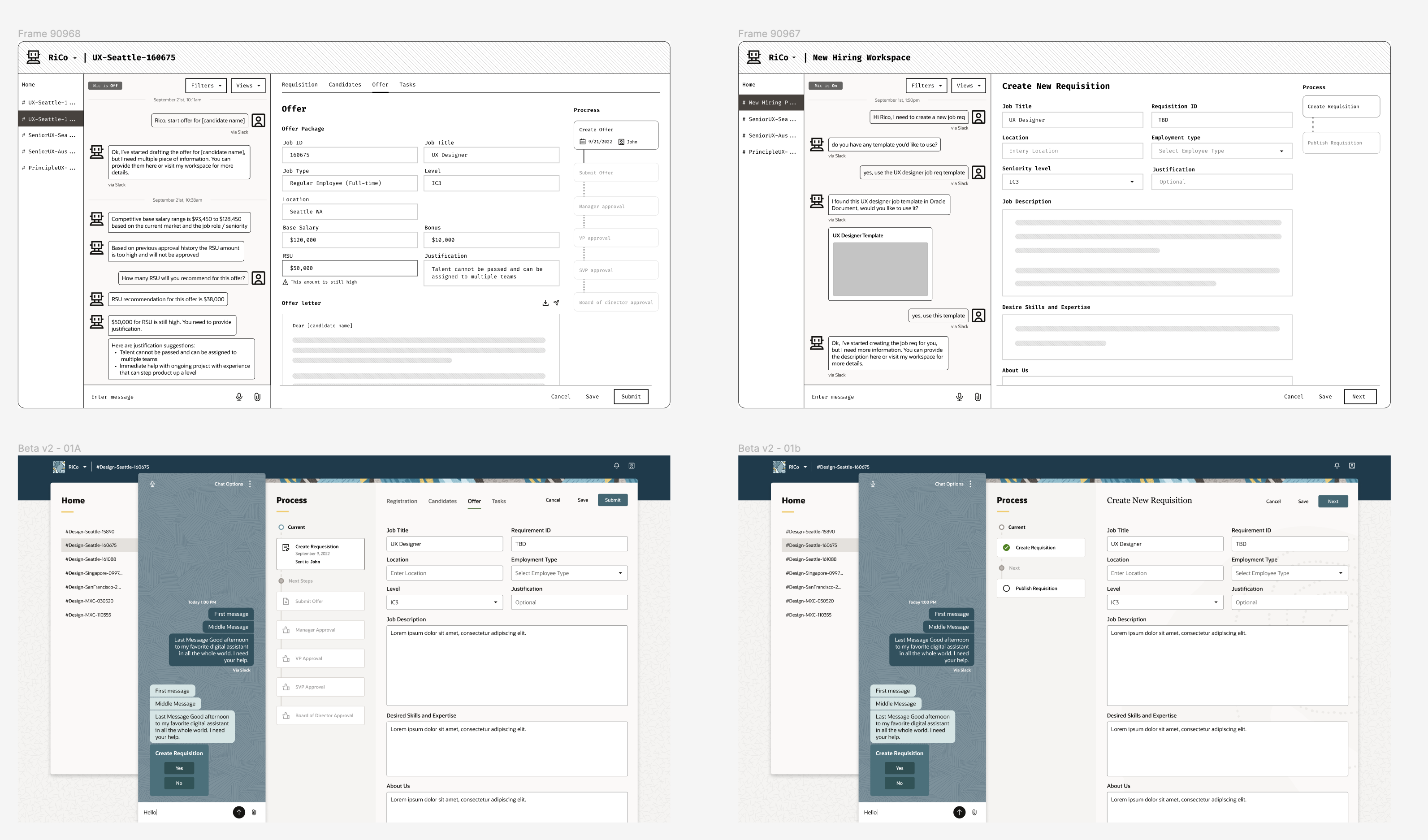
The chat patterns and data management systems we built for ODA became the structural blueprint for the genesis and launch of the Redwood Design System. ODA eventually seeded an entire family of products, including Ask Oracle, automated expense reporting, and specialized Clinical Assistants. Beyond the pixels, our Figma evaluation and integration work served as the catalyst for the entire company to switch and rally around a unified collaboration tool and methodology. That shift fundamentally changed how every designer at Oracle works together.
Conclusion
ODA taught me that a small team can seed an entire product family if they design around elective complexity. The librarian doesn't need to see the code, but the developer does. Good design just makes sure there is plenty of room for both.
Ask Oracle is powered by ODA