Case Study
Oracle Redwood Design System (RDS)
Introduction
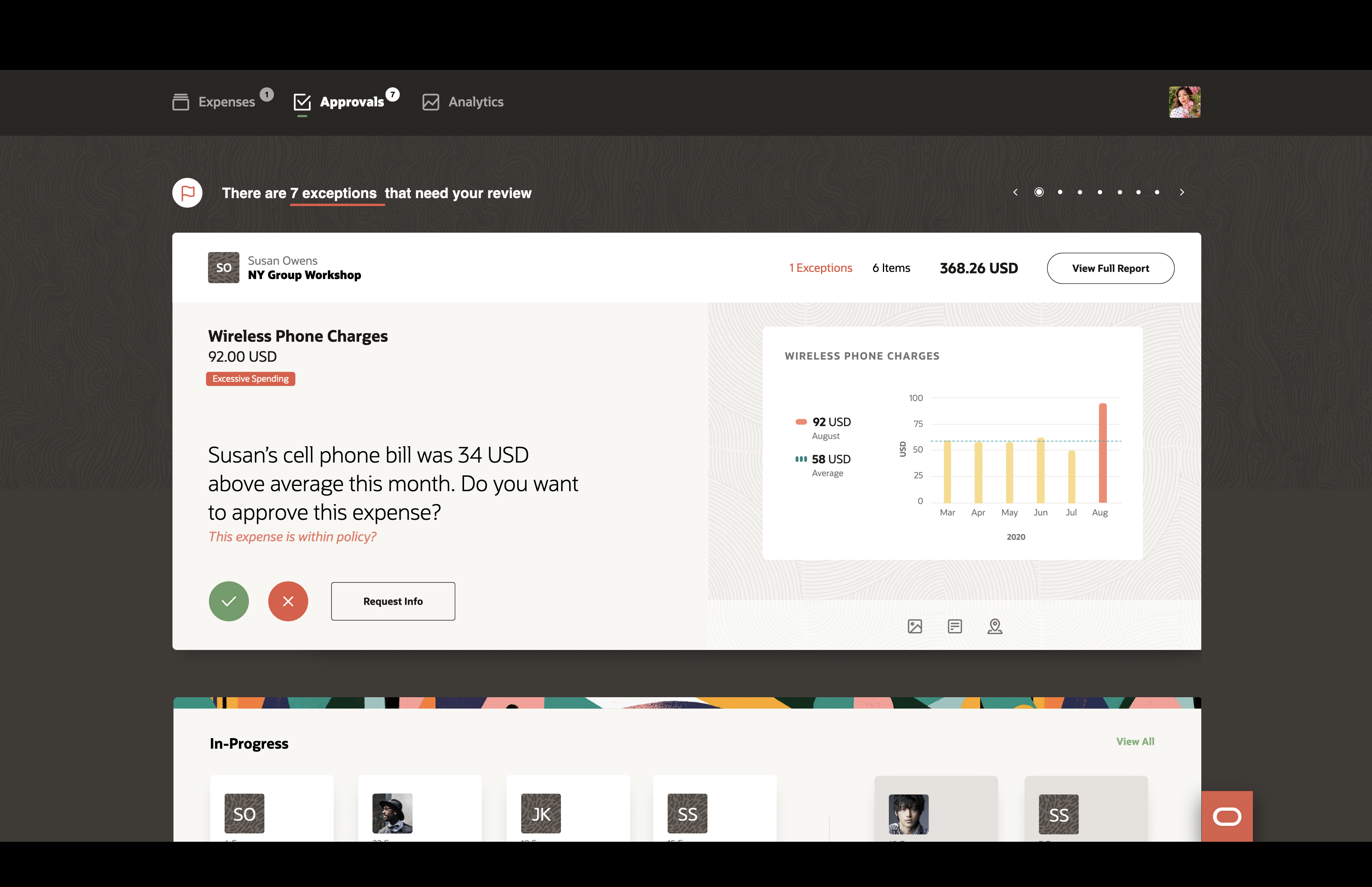
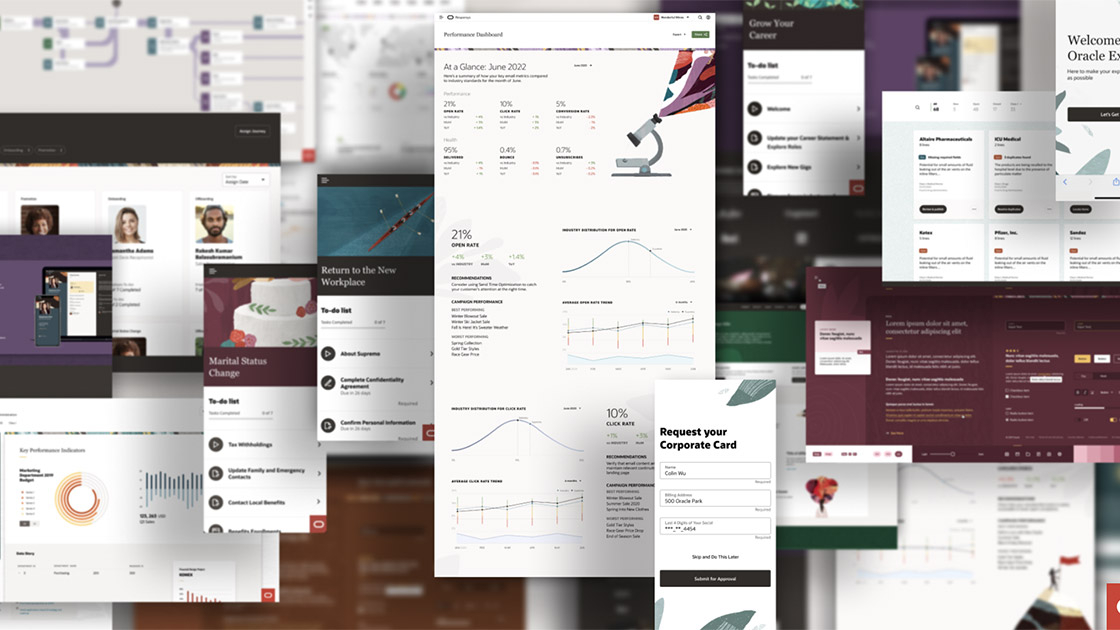
Redwood is the massive design engine behind hundreds of Oracle products. It covers everything from the tiniest atomic components to the high-level visual language that keeps a global portfolio from looking like a collection of accidental strangers.


The Challenge
Oracle is a kingdom built on decades of acquisitions. For a long time, that meant products had zero shared language, tools, or even a basic design vocabulary. The real hurdle wasn't just pixels, it was organizational. Oracle needed a foundation flexible enough to work for both a simple expense report and complex, AI-heavy developer tools, all while being used by teams spread across the globe.
My Role
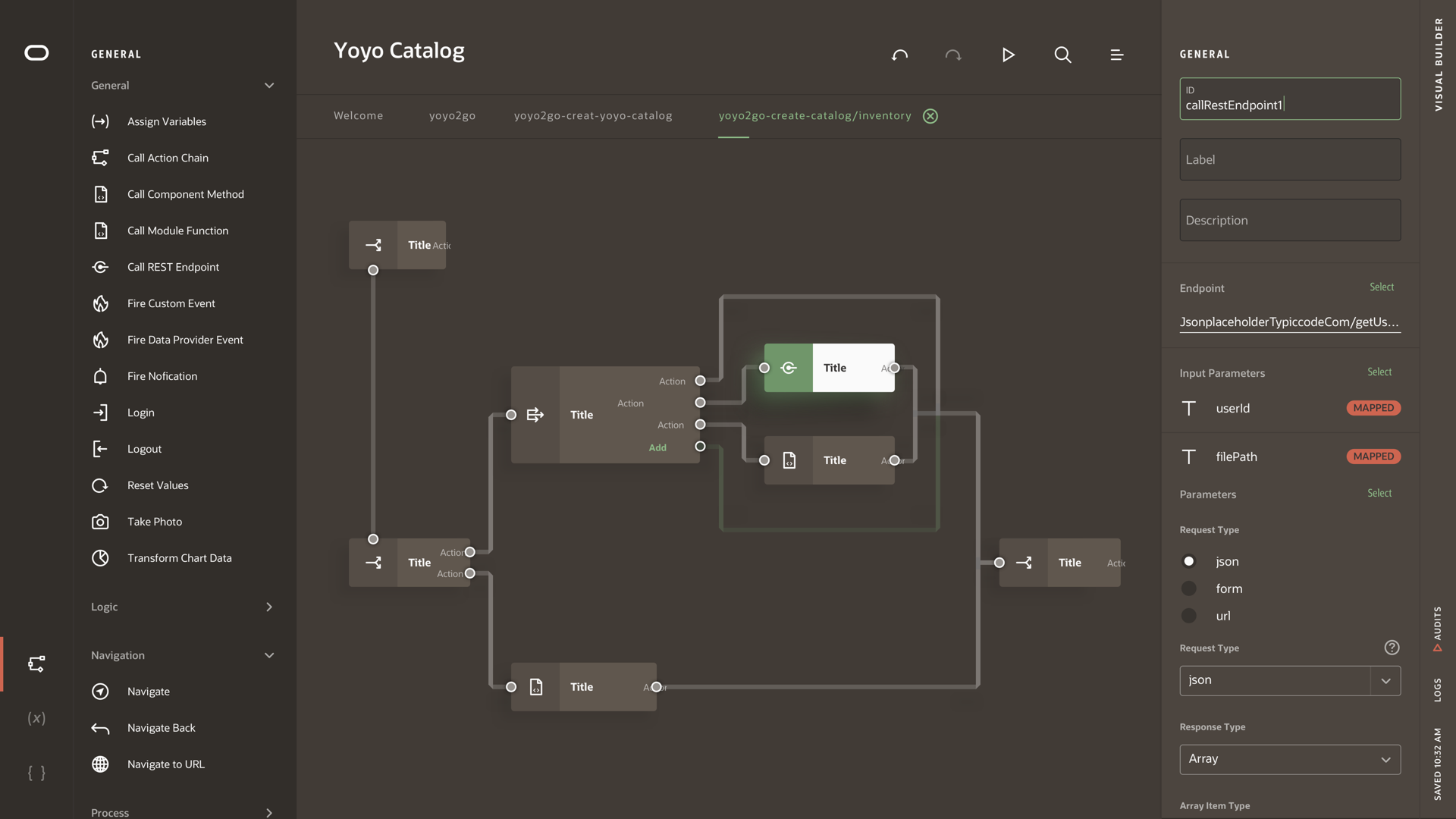
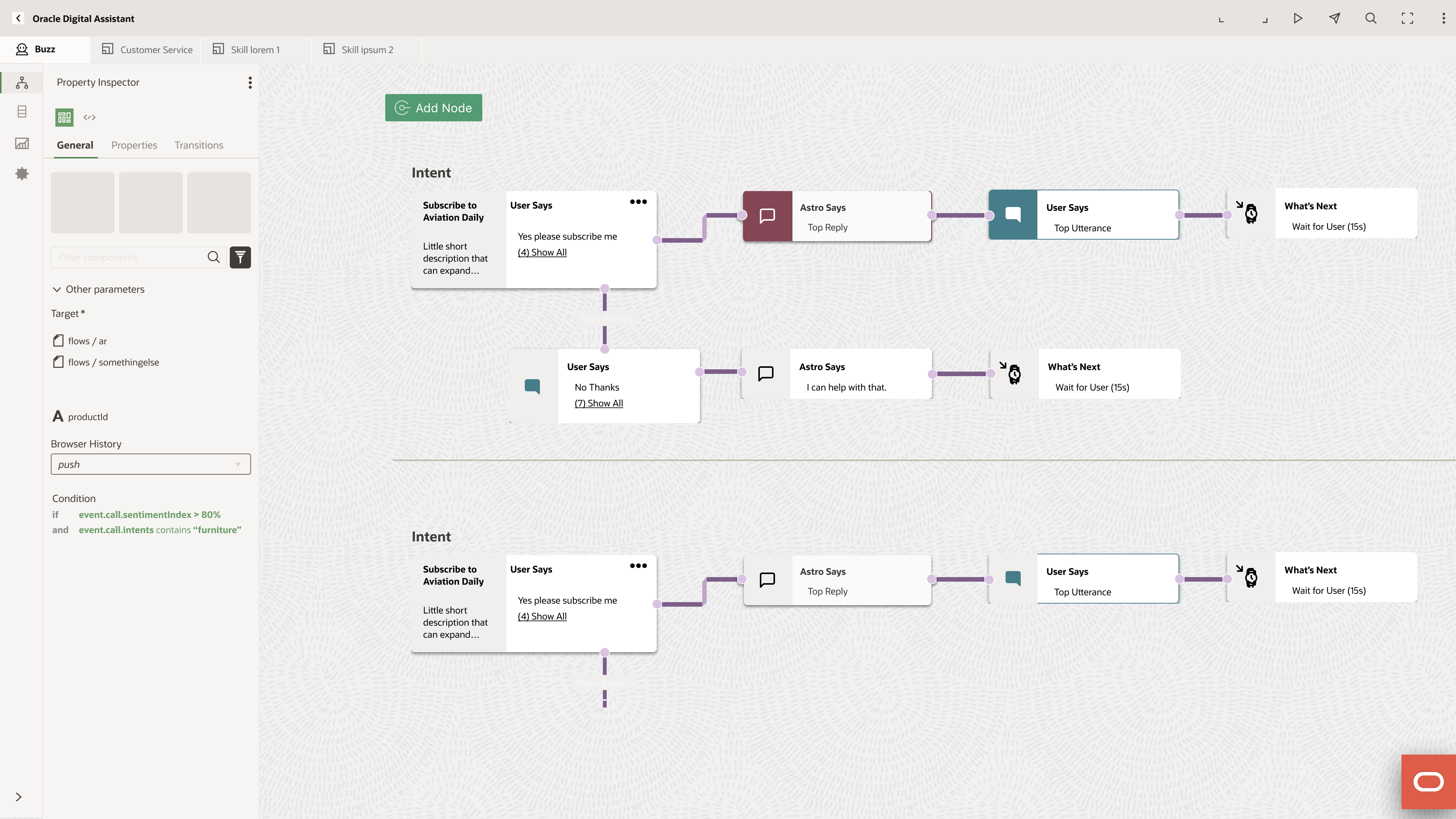
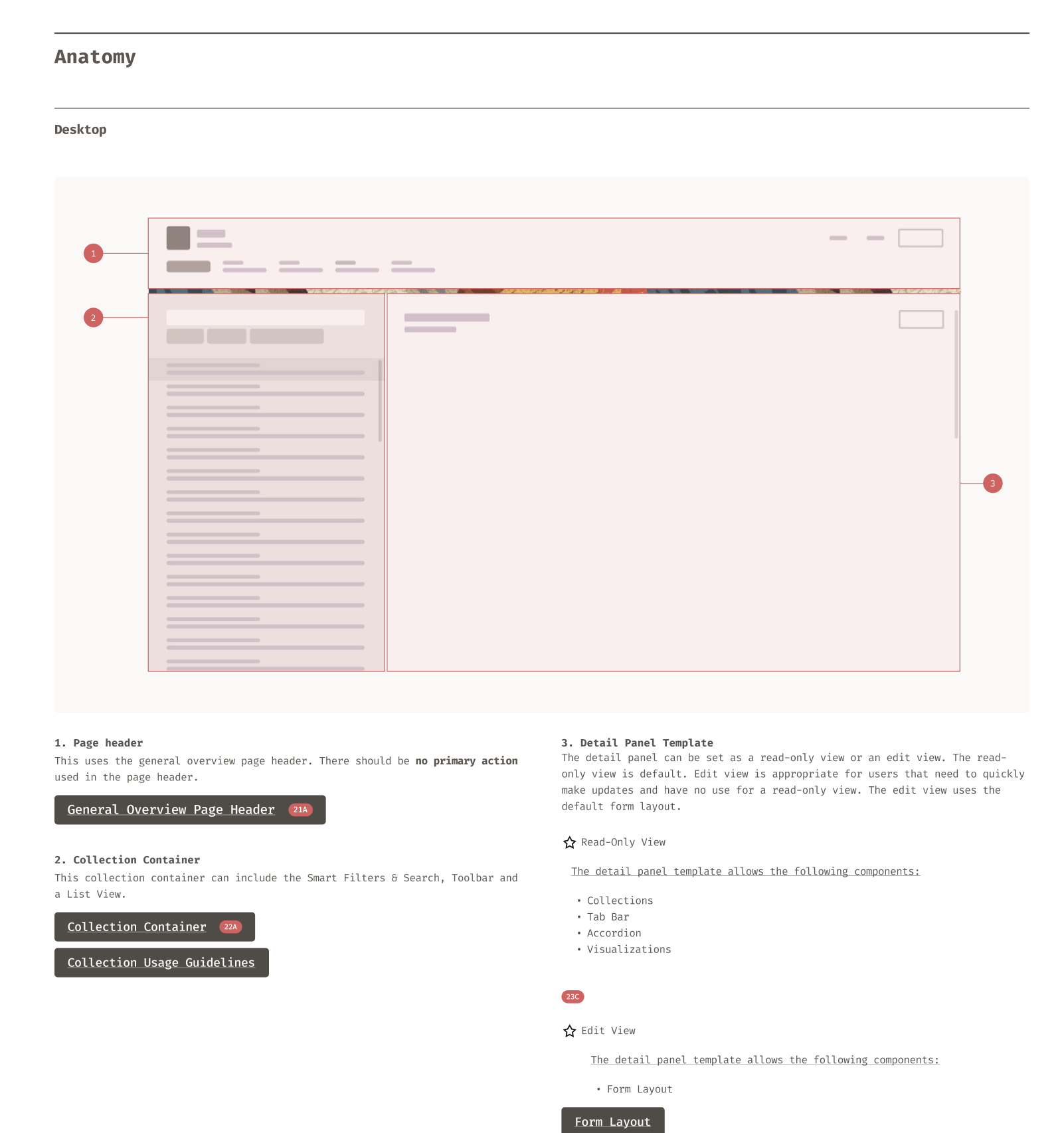
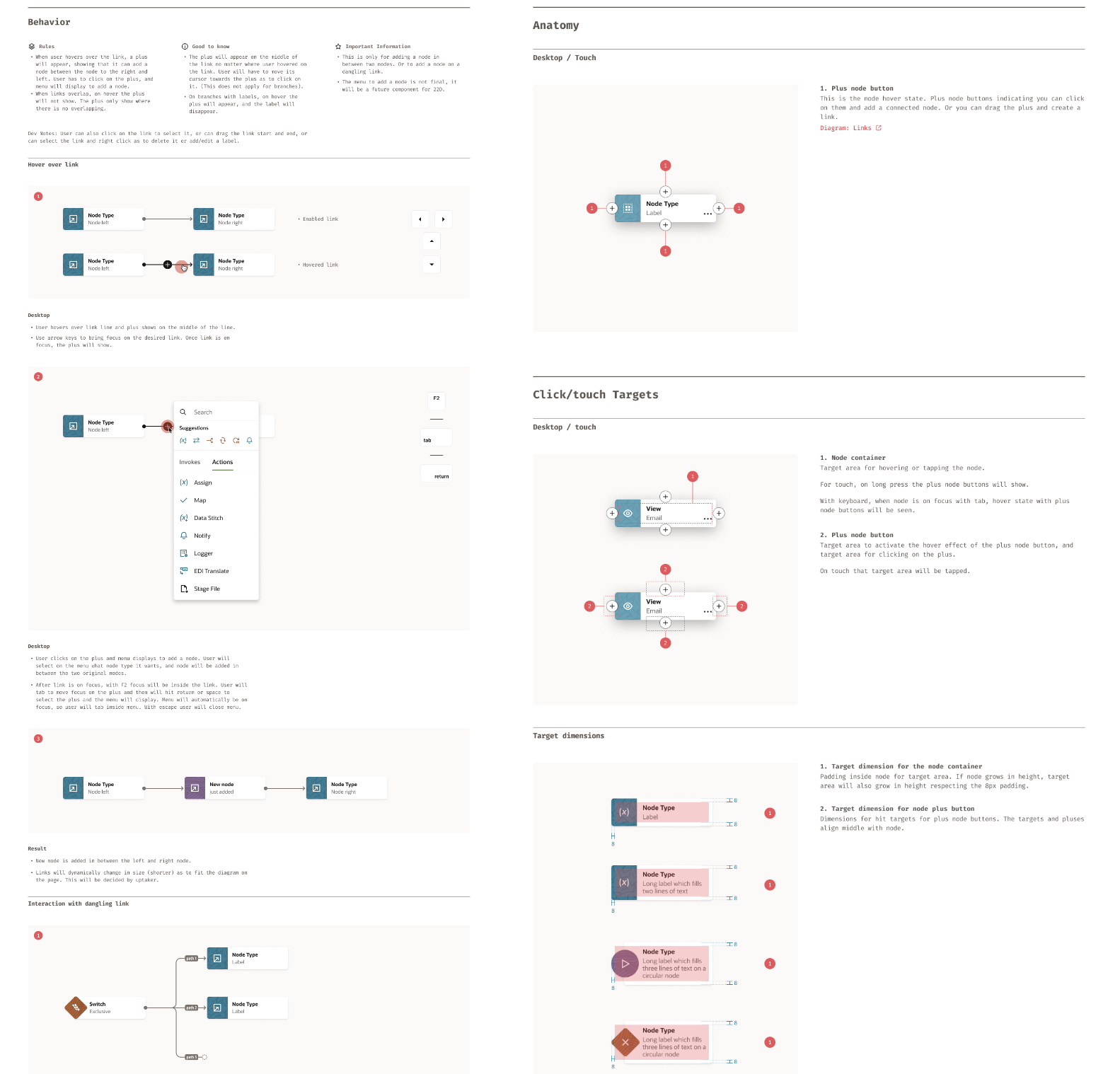
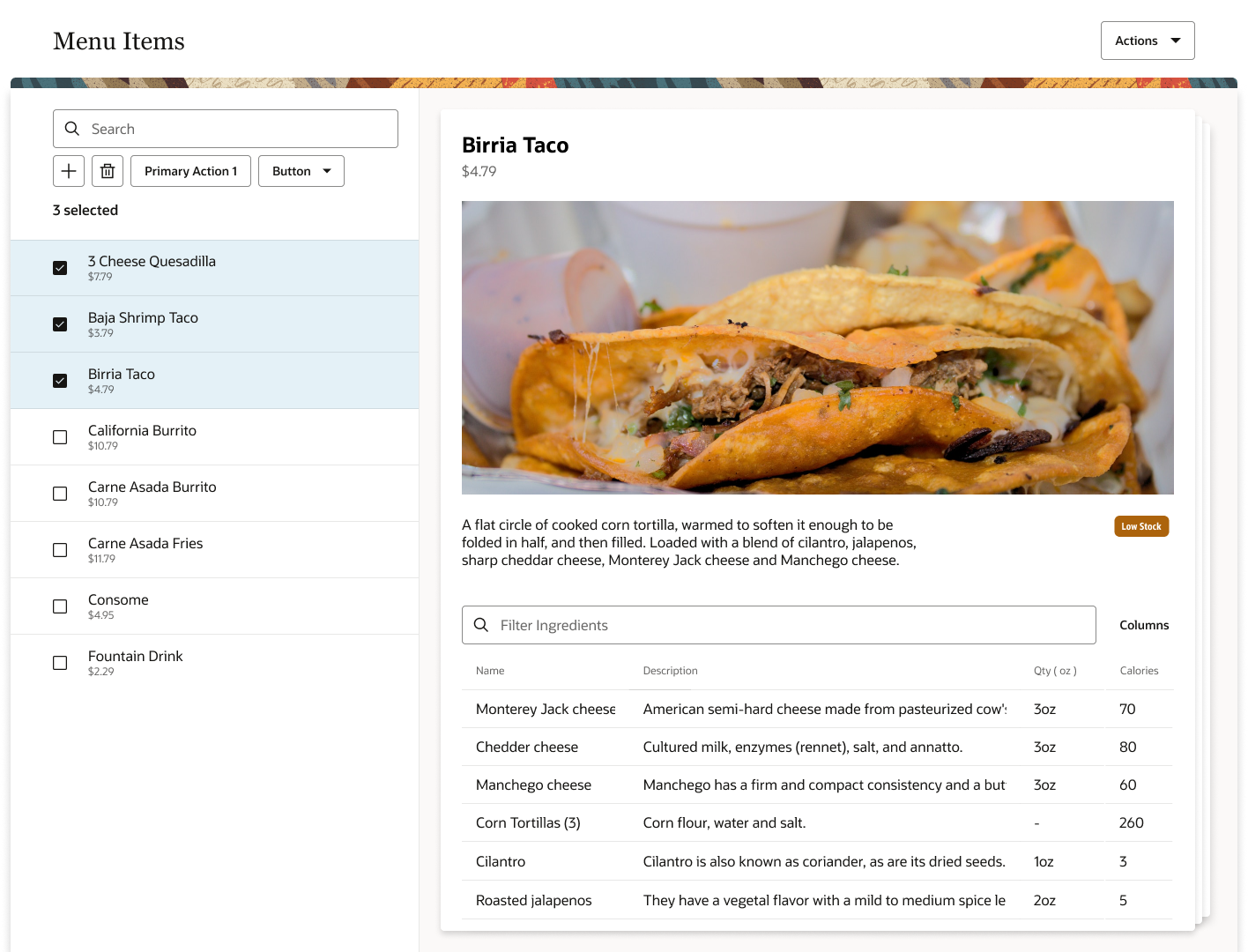
I started in the "Origami" design exploration phase, contributing concept art and designs before the design system was even a style sheet. As Origami merged with other design concepts (Cloud & Forest) in the next iteration, Sequoia, and eventually into Redwood, two of my specific contributions became official components: the Collections and Details Component and the Node System. I owned both, defining how they looked and behaved across developer tools and the Oracle Digital Assistant product line (ODA was my base team). Once these components were ready for the big leagues, I worked with visual specialists to make sure they scaled across the entire Oracle software portfolio.
Design Process
I started with a deep audit of legacy products to see what we were actually dealing with. My focus eventually shifted to turning the technical jungle of Developer Tools and ODA's interface into clean, Redwood-compatible patterns. I handed off two major pieces to the core team: a modular two-panel system for editing and inspecting object properties and a node system in ODA that acted as a visual bridge for users who didn't want to stare at YAML logic all day.
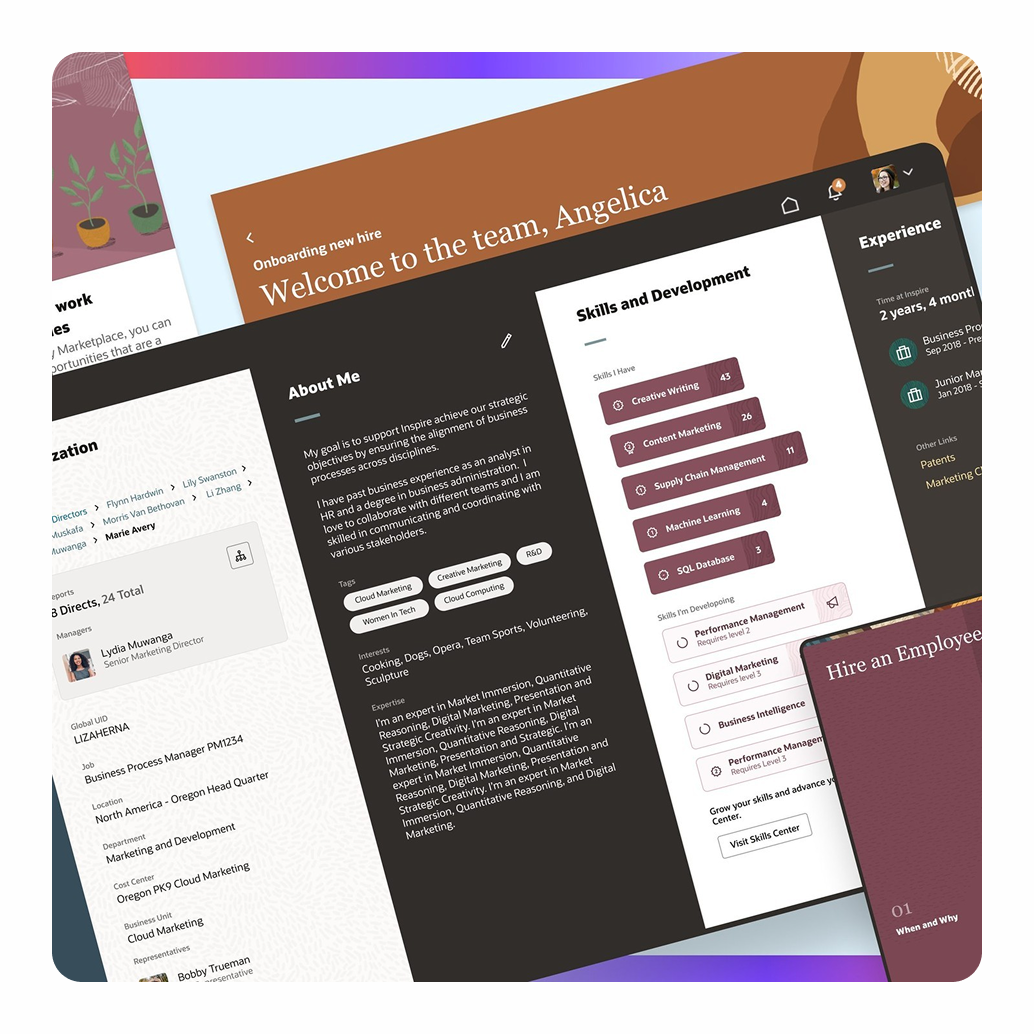
The corporate welcome packet
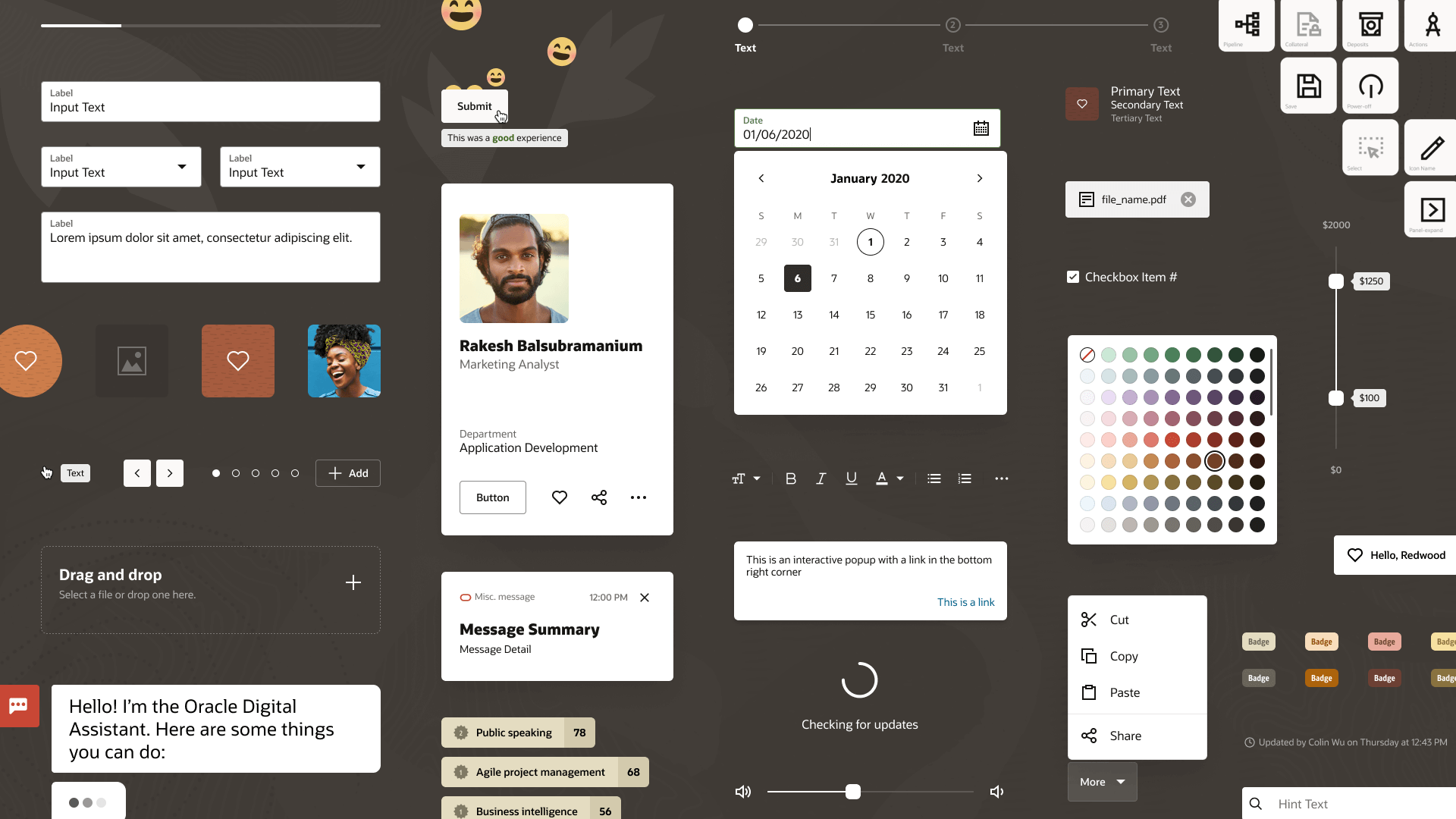
Effects & Results
The node system took off and was adopted by everything from visual coding tools to business mapping apps. The Collections and Details pattern became the standard for almost every Oracle SaaS product. The system even picked up some trophies at SF Design Week in 2021 and 2022.
Conclusion
There is a specific kind of thrill in working on a project of this scale. By the time Redwood officially launched, the design org had swelled into the hundreds, yet I had a rare opportunity to have a genuinely outsized impact on the system's DNA. I was a "cog in the machine" in the best way possible — close enough to the work to test it, break it, and rebuild it until it could survive the real world. Knowing that the components I built, and broke, and rebuilt are now the standard for a global portfolio is a pretty satisfying part of the work.